4 years
Kabul
Sustainable energy adoption
Project Description
Kabul Green Homes Project:
The project “Scaling up Green Homes in Kabul towards Sustainable Energy Consumption and Low Emission Development” simply called Kabul Green Homes Project (KGHP), started as soon as early 2016 thanks to lesson learned of the previous regional project of Geres called “AFG- TAJ” project. The project KGHP is funded by the European Union vis SWITCH Asia program and c funded by French Agency for Development (AFD). KGHP implemented by a continuum of one international NGO: Geres and two national NGOs: Rural Movement Organization (RMO) and Afghanistan Micro finance Association (AMA).
The project aim was to support Large-scale market driven production of approved Energy Saving Solutions and their sustainable consumption by private households in Kabul and beyond contribute to i) economic growth, ii) poverty reduction, and iii) climate change mitigation. To reach these goals the project was designed with two specific objectives
- ESS are accessible and affordable to different segments of Kabul’s housing market, and produced by collectively organized and qualified SMEs endorsed and promoted by financial institutions
- Dialogue with national and international institutions of Central Asia contributes to a favourable environment for scaling up ESSs and replicating in similar contexts
The consortium of an international and two national NGOs, in collaboration and support of Kabul municipality and involvement of NEPA and MoEW strongly involved on success of the project.
From 2017 to 2021 the project's aimed at encouraging the adoption of 'green' technologies and sustainable energy consumption patterns in the housing sector of Kabul thanks to a market approach involving of professional actors engaged in the Energy Saving Solutions (ESS) value chain (craftsmen, wholesalers, suppliers…) and in front of them households’ or customers willing to invest in ESS technologies at their house level.
Highlighted outcomes:
- Economic Growth: although the project activities strongly affected by COVID 19 restrictions, security issues and political instability, but still the trained artisans / SMEs reported 21% increase on income and 70% more employment at their SMEs, meanwhile the ESS users reported xxxx % money savings, thanks to heating/ cooking fuel reduction
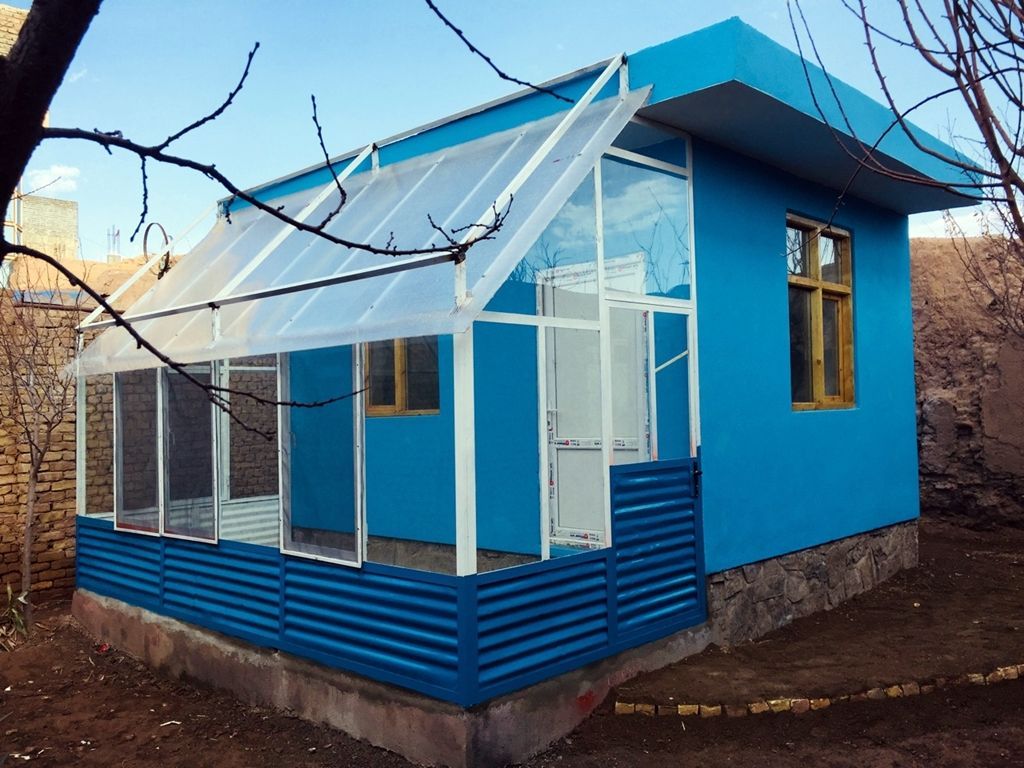
- Poverty reduction: Overall, 4756 houses have been equipped with ESS, for which 2,184 metric ton of heating biomass fuel (wood, coal, sawdust…) are saved per year. Consequently 31,200,000 Afn saved per year. In average targeted households benefit at least two winters with their ESS, so minimum of 62,400,000 Afn (693,333 EUR) already saved thanks to energy saving solutions. Those fuel savings have contributed to increase on the long term the disposable income of households, allowing them to satisfy better their other basic needs (food, health, education, etc.)
- Climate Change Mitigations: During project implementation three winter monitoring campaigns applied, which noted an average reduction of 39% biomass fuel and 1.3 ton of CO2 per houses equipped with ESS per year, the total CO2 saved per year are therefore recorded 6,153 metric ton.
More details: (click here) we will add external evaluations report
Highlighted outputs:
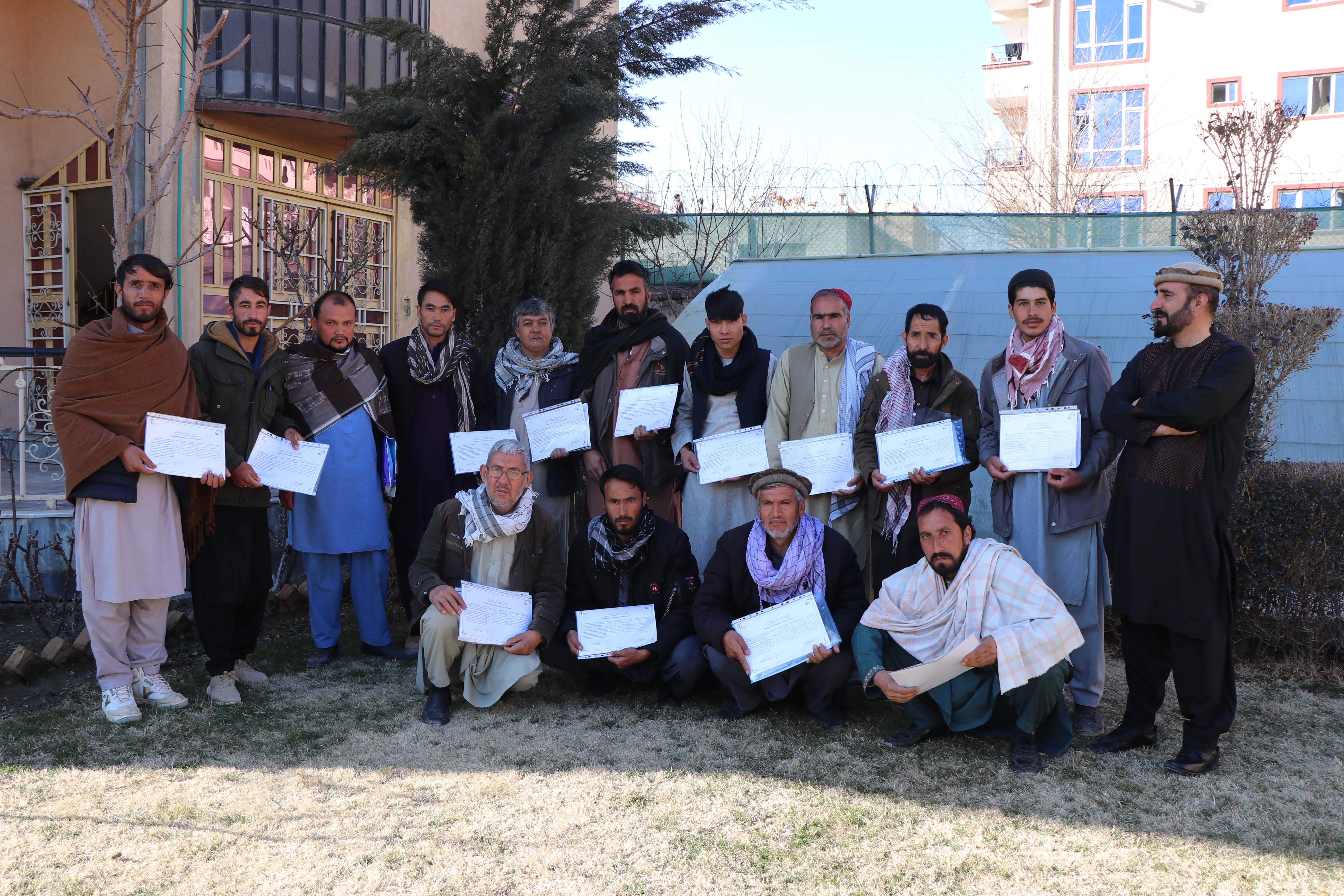
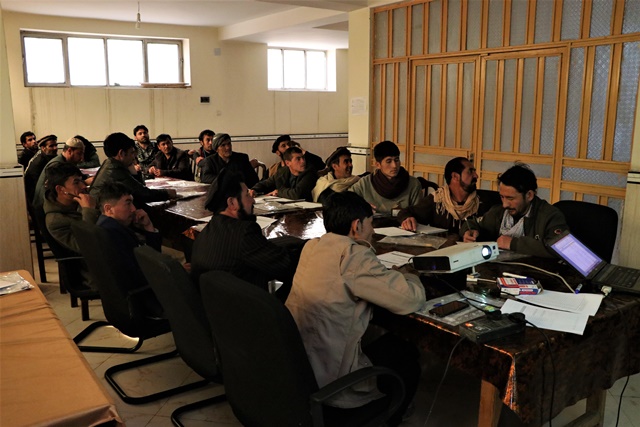
- 133 artisans/ SMEs trained and engaged at ESS disseminations
- 4,756 houses equipped with energy saving solutions
- 720,032 people (150,549 directly and 569,483 indirectly) informed about project and its technologies
- The first association for artisans / SMEs created and governed
- 1,221 houses equipped with ESS via green loan approach, 5000 packages of housing loan is distributed